




FIBERS How much I can ingest per day?

食物繊維:1日にどれくらい摂取すれば良いですか?

Fiber reigns supreme when it comes to keeping your gut and heart happy. It also helps you feel full longer. This small nutrient has a big impact on your health. But how much fiber per day should you be getting?
The recommended daily intake of fiber is 25 grams per day for women and 38 grams per day for men. However, some research estimates as much as 95 percent of the population doesn’t ingest this much fiber.
Recommended daily fiber intake
The Dietary Guidelines for Americans, 2020-2025, breaks down its dietary fiber recommendations by sex. This includes a combination of both soluble and insoluble fiber.

While these guidelines provide some direction on how much fiber per day for a woman or a man, other factors can affect your daily fiber needs, too.
“Unfortunately, these official recommendations don’t account for bodily differences like weight, height and overall health,” If you’re not sure how much fiber daily you need, ask your healthcare provider or nutritionist for individualized guidance.
Are people getting enough fiber?
You probably need more fiber than you’re currently getting. Studies show that only about 5% of U.S. adults get enough fiber in their diets, with most people consuming only about 16 grams (g) per day.
While many people don’t get enough fiber, actually you could be getting too much, especially if you increase your intake too quickly. See a doctor if you’re experiencing nausea, vomiting, a high fever, or a complete inability to pass gas or stool.
How does fiber affect your digestion?
There are two main types of fiber. Each type of fiber plays a different role in digestion:
Insoluble fiber adds bulk to your stool and helps food pass more quickly through the stomach and intestines. It also helps balance the pH in your intestine, and may prevent diverticulitis, an inflammation of the intestine, as well as colon cancer.
Soluble fiber attracts water and forms a gel-like substance with food as it’s digested. This in turn slows down digestion and helps you feel full faster, which is important in weight management. It may also help lower your risk of heart disease, regulate your blood sugar, and help reduce LDL cholesterol.
Fermentable fiber can be from both these categories, though more often soluble fibers are fermented. Fibers fermented by bacteria help increase the bacteria in the colon, which aids digestion. It also plays a major role in human health.
What are the benefits of fiber?
While too much fiber can have negative effects, a proper amount of fiber is important for your health. Fiber is essential for regular bowel movements, cholesterol and blood sugar management, healthy gut bacteria, and preventing chronic disease, among other functions.
In populations that eat a regular high-fiber diet of more than 50 grams of fiber per day Trusted Source, like rural South Africans, chronic diseases such as colon cancer are very low.
This is a stark contrast to the much higher risk of colon cancer among African Americans who eat a diet with only about 15 grams of fiber per day.
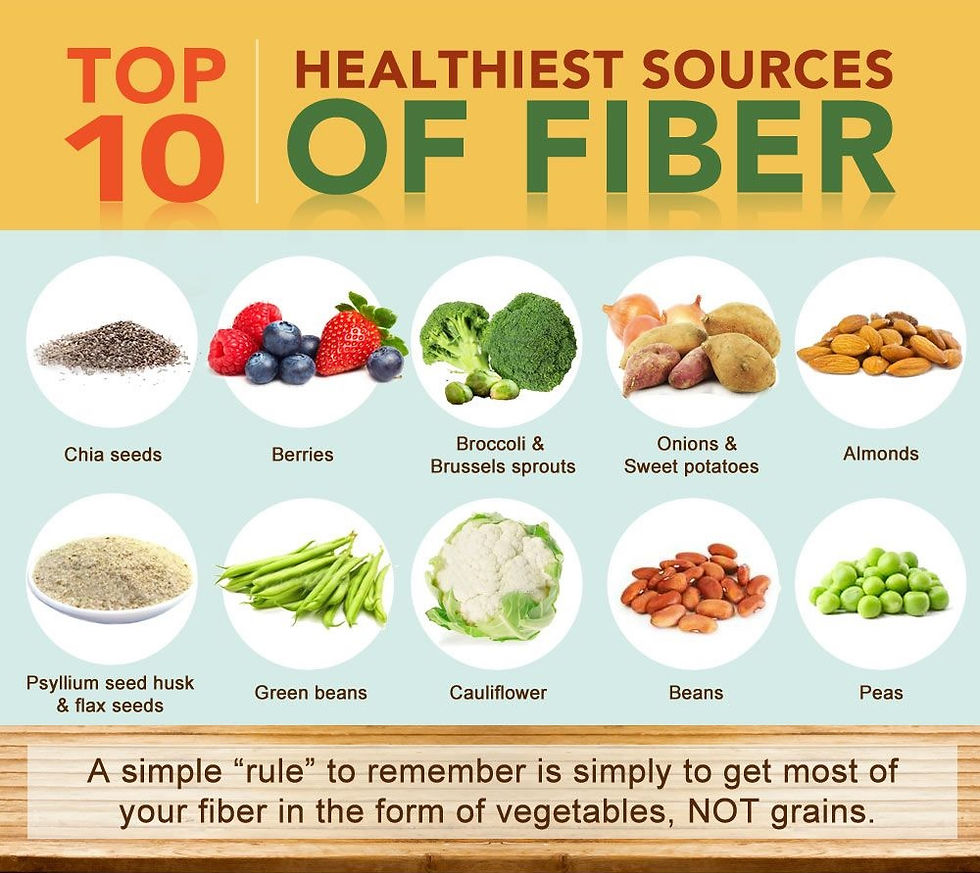
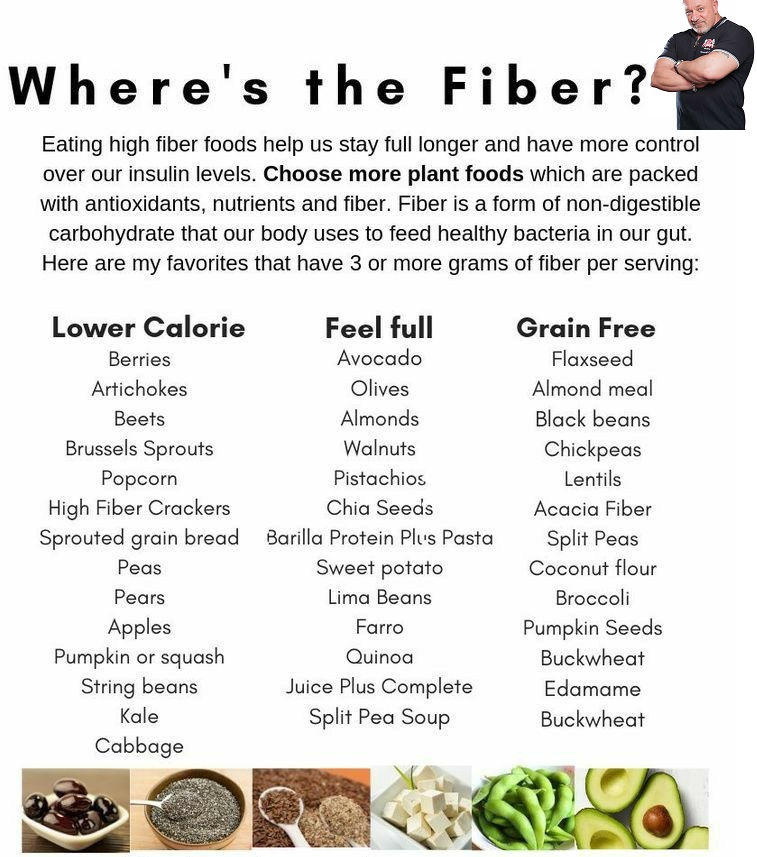
How to increase fiber intake (Choose foods that are high in fiber)
It’s always best to try to get your vitamins, minerals and other nutrients through your diet — and fiber is no different.
“It’s important to get fiber sources from a variety of fruits, vegetables, whole grains, beans and legumes in order to have a healthy and balanced diet.”
Try these food groups that are high in fiber:
Legumes: Beans, lentils, lima beans, dried peas, etc.
Whole grains: Whole-wheat products, bran, steel-cut or rolled oats, barley, quinoa, brown rice, rye, corn, etc.
Fruits: Apples, berries, oranges, pears, plums, bananas, etc.
What is the best way to get both fibers?
In general, it’s better to get fiber from the food you eat than from supplements. This is because high-fiber foods also have important vitamins and minerals your body needs to stay healthy.
Soluble fiber: oats, brussels sprouts, beans, peas, apples, bananas.
Insoluble fiber: whole wheat flour, bran, skins of fruits and vegetables, nuts, flax and other seeds.
Taking fiber supplements known as wheat dextrin, inulin, psyllium, and methylcellulose are other ways to get soluble fiber, though food is always best for both your body and your gut bacteria.
Fermentable fiber: oats, barley, Jerusalem artichoke, chicory root, leeks, onion, bananas.
Incorporate fiber into every meal
There are countless ways to add fiber into your diet. Here are a few tips to consider throughout the day:
Breakfast. Switch to steel-cut oatmeal, rolled oats or whole-wheat cereal with at least 5g of fiber, and top it with fruit like raspberries and blackberries.
Lunch. Pair lentil stew or bean soup with a sandwich made on hearty whole-wheat bread.
Dinner. Serve a healthy helping of salad or vegetables with a whole-grain side like brown rice, whole-wheat pasta, bulgur or quinoa.
“You can also sprinkle bran, ground flaxseed or chia seed into your smoothies, bowls, soups, cereals, spaghetti sauce, casseroles or yogurt.” “They add a big hit of fiber without changing much in the way of taste.”
Slowly add fiber
A key piece of advice when it comes to upping how much fiber you eat? Go slow! Adding too much fiber all at once can cause bloating and cramping.
“To avoid bloating and gas, add in no more than 5 grams of fiber per week until you reach your individual goal.”
Drink plenty of water
Water is vital for many reasons, but when it comes to fiber, it’s essential to keep your bowel movements regular. If you’re adding fiber, make sure you drink plenty of water. If not, it can lead to constipation.
Should I take a fiber supplement?
If you’re having a hard time getting enough fiber from the foods you eat, your healthcare provider may recommend a supplement.
“Food is your best source of fiber, but supplements can help if you’re not able to get adequate amounts through diet.”
Bottom line?
“How much fiber do I need a day?” It’s one of the most common questions I get from my clients. And while dietary fiber guidelines can give you a good starting point, in many cases, you’ll need to increase your fiber intake.
Remember, “Fiber is crucial for overall health by aiding in blood sugar management, its positive impact on digestion and heart health.”

Try our original recipe "ALMOND & AVOCADO PROTEIN SMOOTHIE". a perfect balance of Fibers, Carbohydrates, Protein & Fat.


コメント